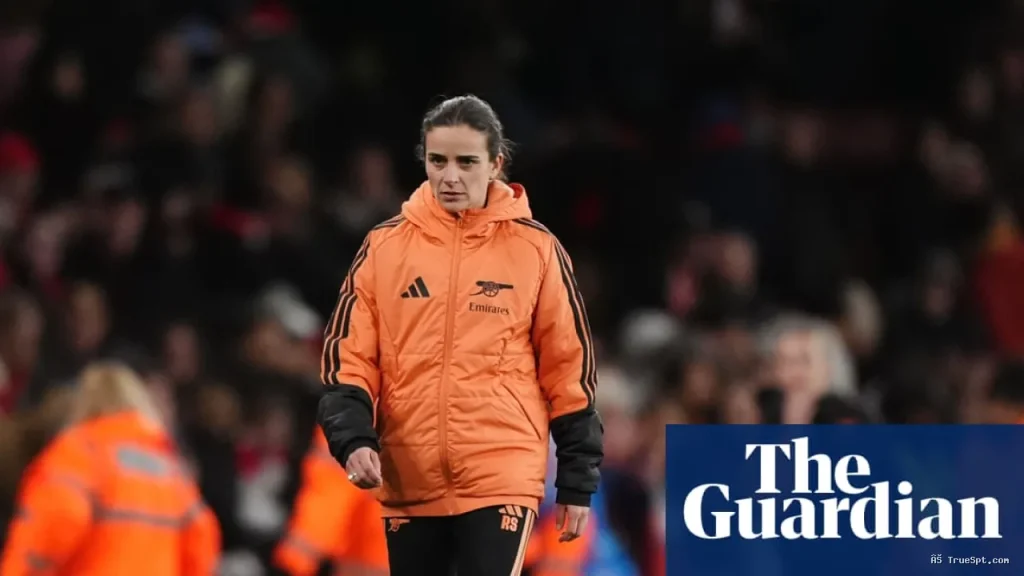
Arsenal Women have officially parted ways with head coach Renée Slegers by mutual consent following a dismal domestic run that leaves the club languishing in sixth place in the Women’s Super League. The 37-year-old manager leaves North London despite signing a three-and-a-half-year contract extension in January that was intended to keep her at the helm until 2029. A concerning sequence of six consecutive home draws in the WSL has left the Gunners 12 points adrift of league leaders Chelsea and eight points behind the European qualification places, forcing executive leadership to intervene.
| Coach / Key Figure | Club | Contract / Fee Terms | Current Status |
|---|---|---|---|
| Renée Slegers | Arsenal Women | Contract until 2029 (Terminated) | Departed by mutual consent |
| Aaron D’Antino | Arsenal Women | Assistant Coach (Since 2018) | Departed backroom staff |
| Melissa Clarke-Reed | Arsenal Women | Interim Head Coach | Appointed until winter break |
Deal Structure, Fee & Negotiations
The severance agreement was finalized after high-level meetings between executive staff and the Dutch tactician. Renée Slegers had originally secured a long-term deal through to June 2029 following an extraordinary start to her tenure, but recent domestic results created an untenable contractual situation. Long-serving assistant coach Aaron D’Antino, who had been a vital part of the backroom staff since 2018, has also departed the club alongside Slegers as part of a complete coaching reshuffle.
As highlighted by TrueSpt, board members initially demonstrated remarkable patience during early-season turbulence. The club hierarchy actively stood by Slegers when public speculation regarding her position began mounting earlier in the campaign. However, continued failure to secure maximum points on home soil ultimately convinced both parties that an immediate severance was the only viable forward step.
The financial terms of the mutual departure remain undisclosed, but ending a contract with over two years remaining represents a significant strategic shift for the club. Arsenal prioritized long-term competitive standards over short-term patience, opting to reset their project before the campaign slipped entirely out of reach.
Tactical Fit: How He Suits the Manager
Slegers initially assumed control in October 2024 as caretaker manager following the resignation of Jonas Eidevall, under whom she had previously served as chief assistant. Her early impact was immediate, engineering an outstanding run of 10 victories in 11 unbeaten fixtures. That explosive start earned her the permanent manager’s job and established tactical principles rooted in high-tempo press and positional fluidity.
Under her guidance, Arsenal Women achieved monumental European success, lifting the UEFA Women’s Champions League trophy and clinching the inaugural FIFA Champions Cup. Slegers etched her name into club folklore by building a formidable squad capable of outplaying Europe’s absolute elite on the biggest international stages.
However, her tactical setup struggled to break down deeply sitting domestic low-blocks during the current domestic campaign. Opponents in the Women’s Super League increasingly nullified Arsenal’s attacking transitions, resulting in six frustrating home draws that severely damaged their title aspirations. The team’s inability to convert dominance into decisive victories exposed structural flaws in their offensive system, leaving them stranded in sixth position.
Club Stance & Alternatives
Arsenal’s director of women’s football, Clare Wheatley, expressed gratitude for Slegers’ historical accomplishments while emphasizing that immediate change was required. In an official statement confirmed via theguardian.com, Wheatley acknowledged the emotional difficulty of the decision after celebrating historic European trophies together, noting that recent results simply fell below the high standards expected in North London.
Arsenal chief executive Richard Garlick reinforced this stance, praising Slegers as a dedicated professional while explaining that a fresh managerial approach was essential to fulfill the club’s core ambition of competing for and winning major trophies on a consistent basis. Garlick stressed that maintaining high competitive standards across all competitions remains non-negotiable for the organization.
Former Brighton and London City Lionesses manager Melissa Clarke-Reed has been installed as interim head coach to stabilize the squad. The club hierarchy is comfortable allowing Clarke-Reed to oversee the upcoming three fixtures prior to the winter break, beginning with a WSL clash against Everton on 11 December. Arsenal will not rush the search for a permanent successor, focusing entirely on securing the right candidate before resuming action on 10 January.
Frequently Asked Questions
Why did Renée Slegers leave Arsenal Women?
Slegers departed by mutual consent after six consecutive WSL home draws left Arsenal sixth in the league, 12 points adrift of leaders Chelsea.
Who will take charge of Arsenal Women temporarily?
Former Brighton and London City Lionesses manager Melissa Clarke-Reed has been named interim head coach to oversee the three matches before the winter break.